SEDIMENTO
[ESP]
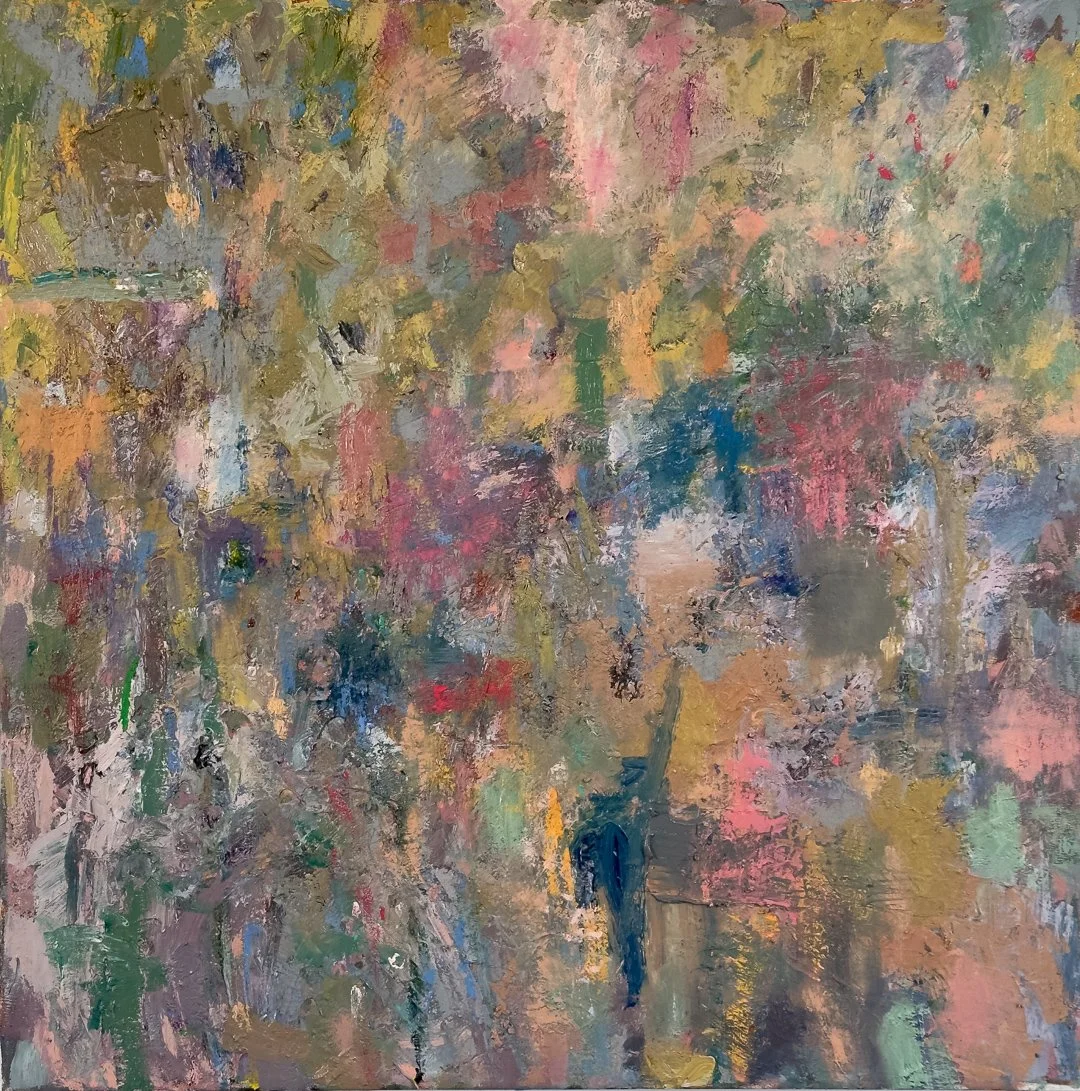
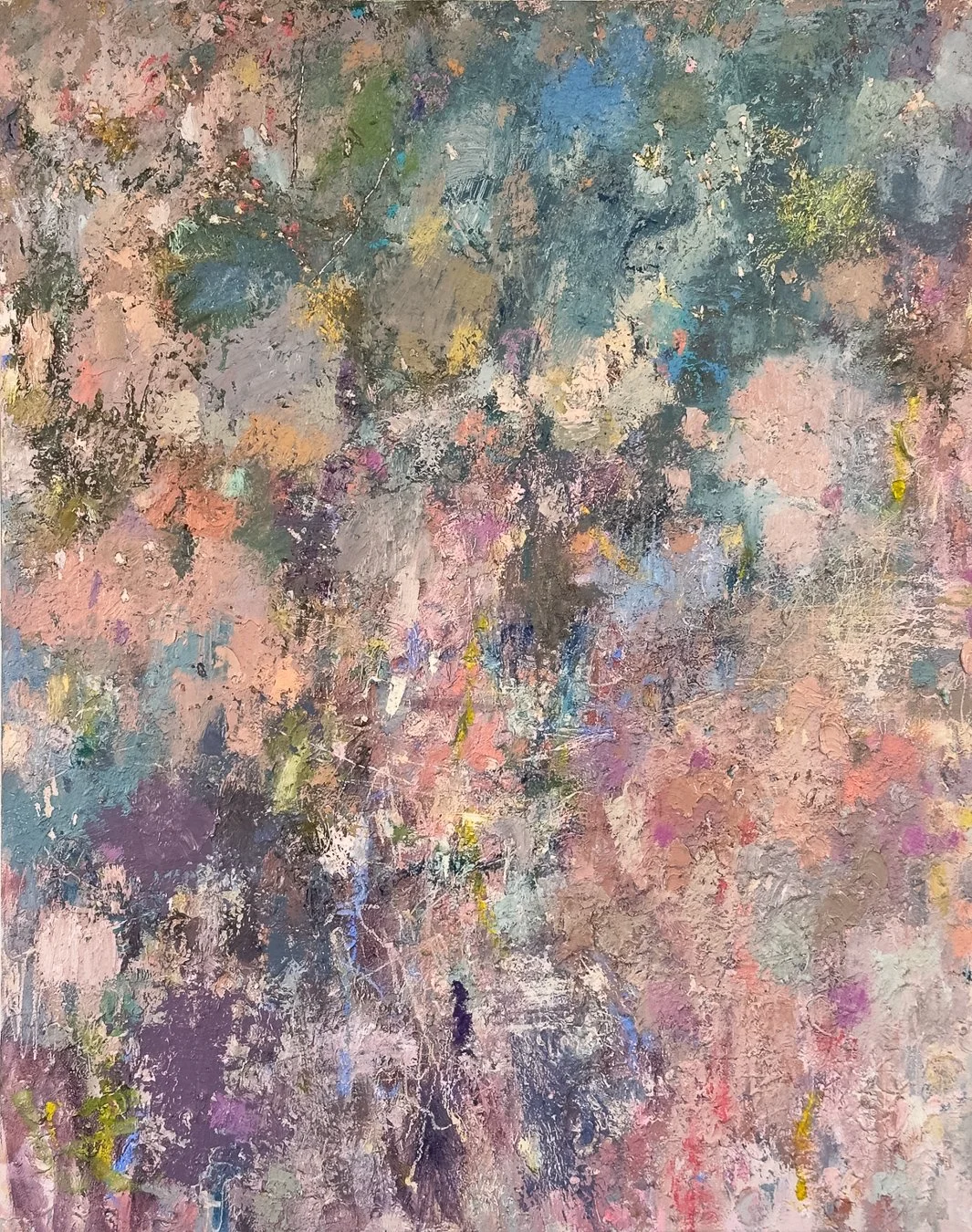
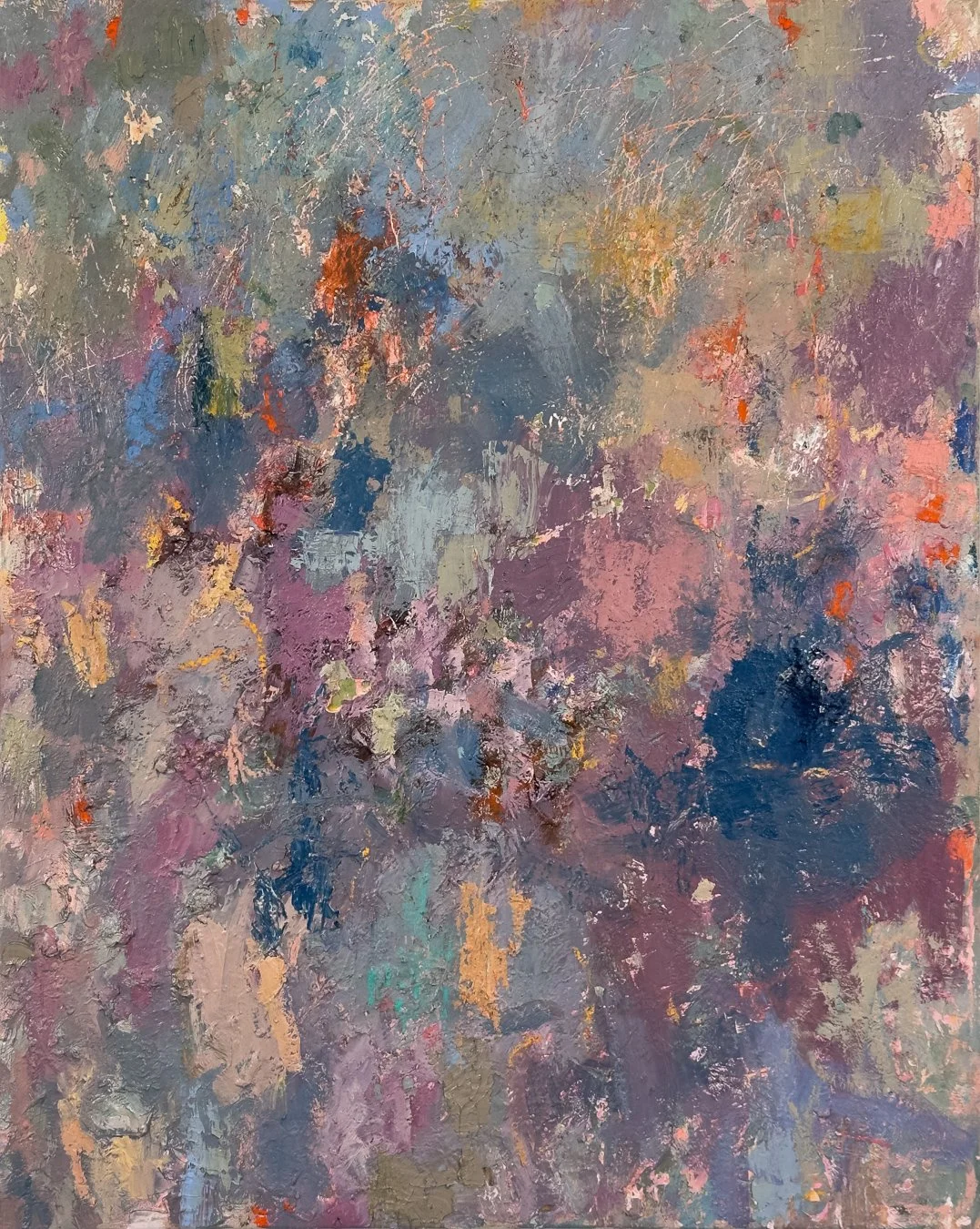
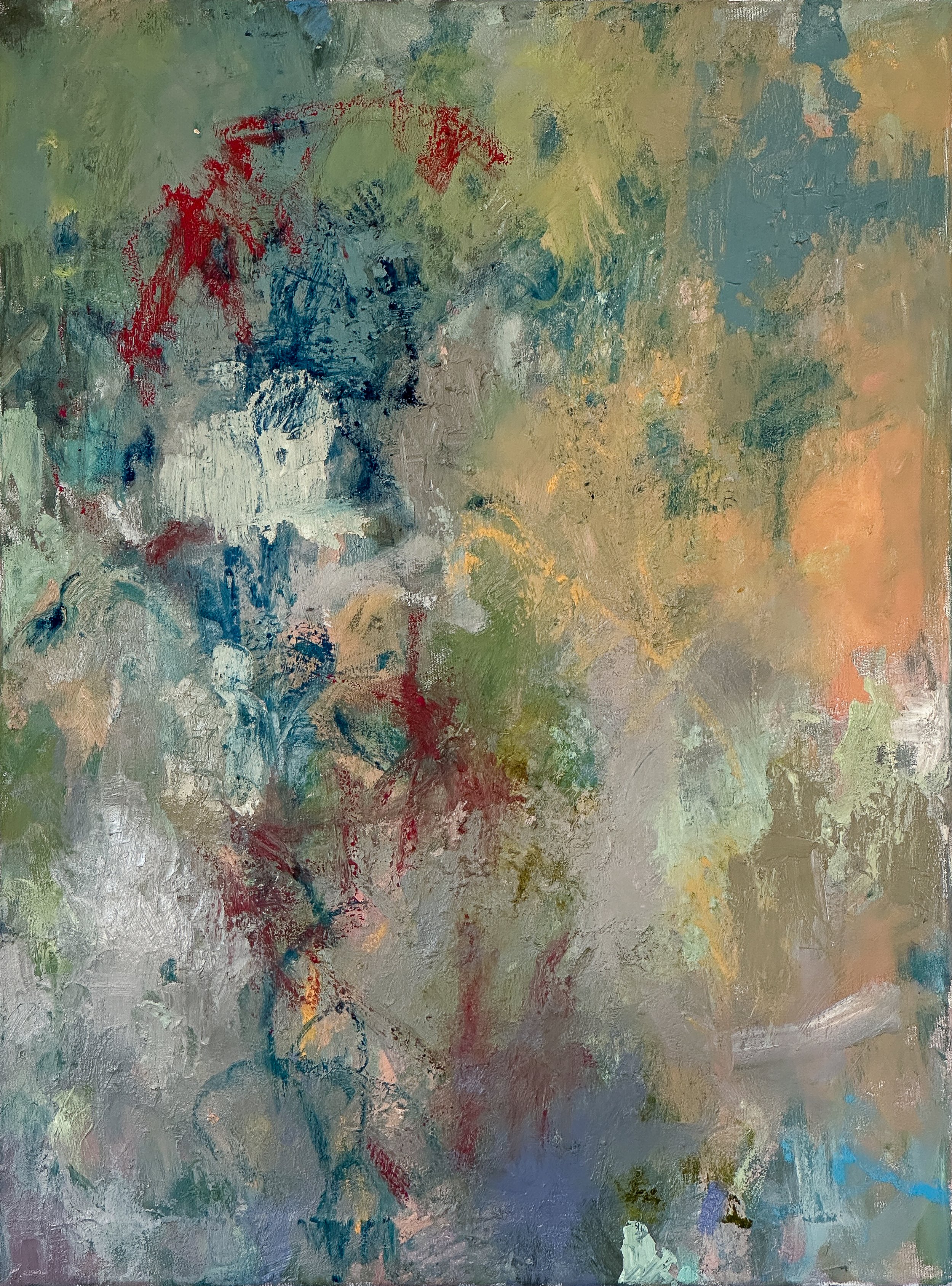
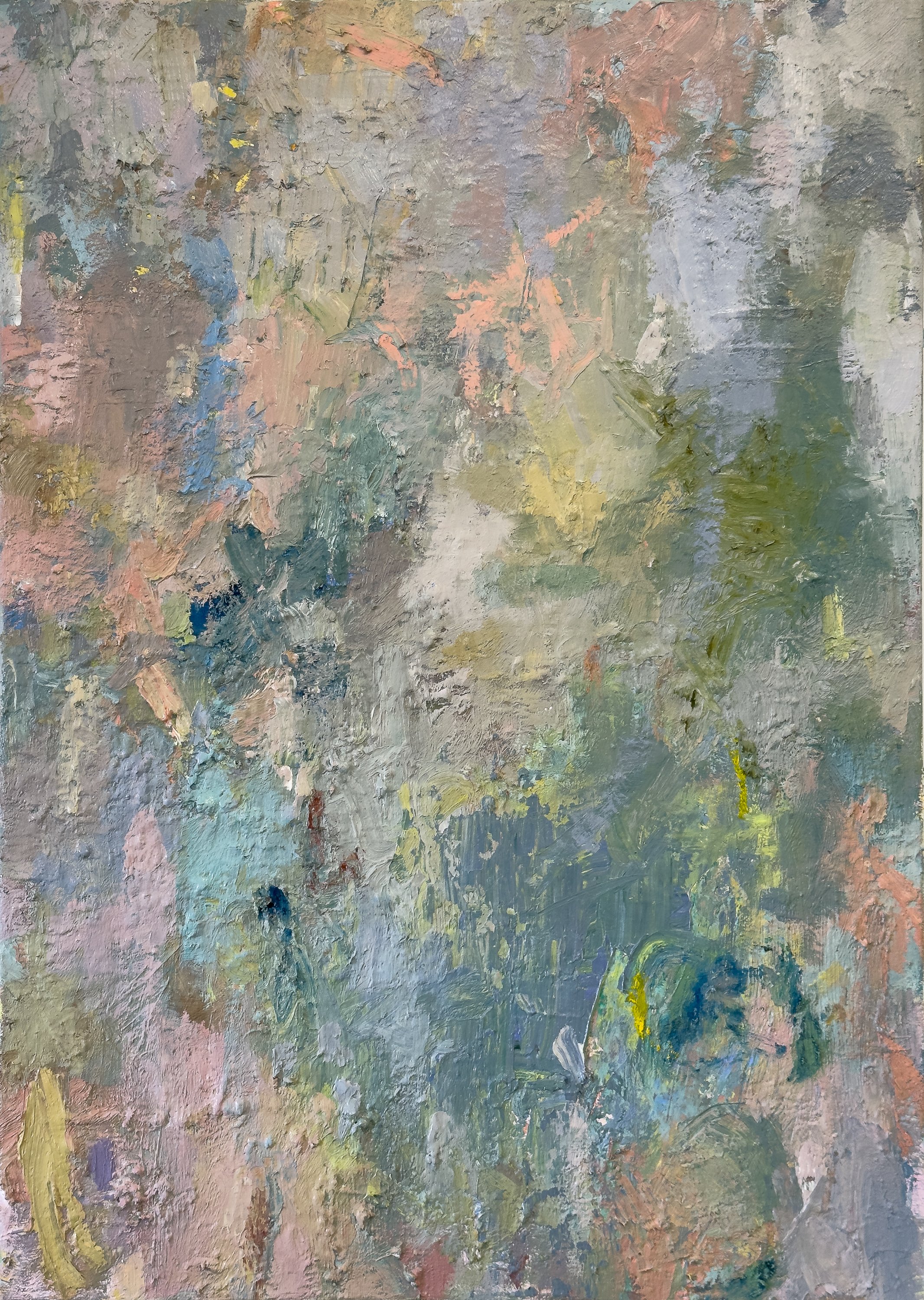
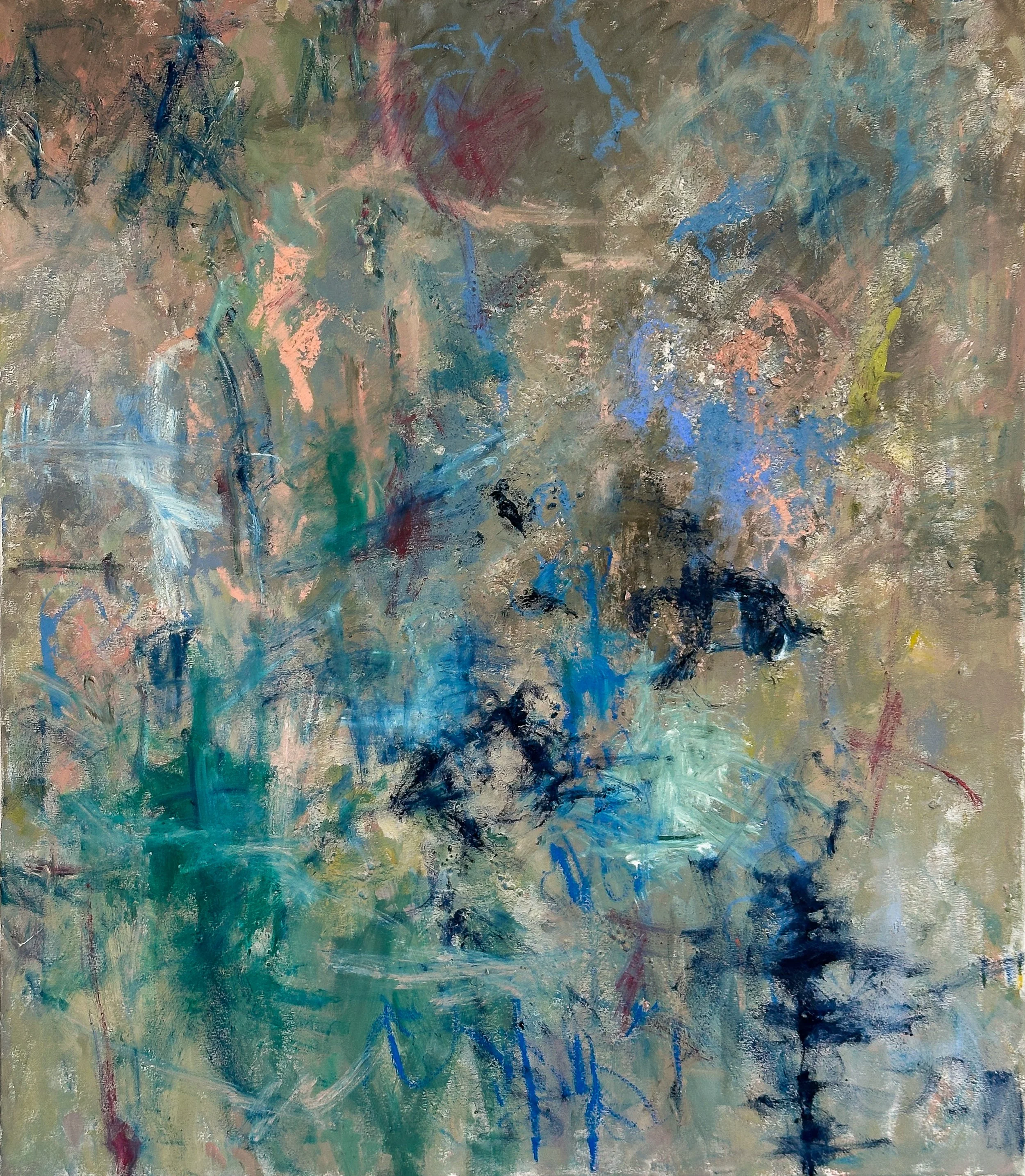
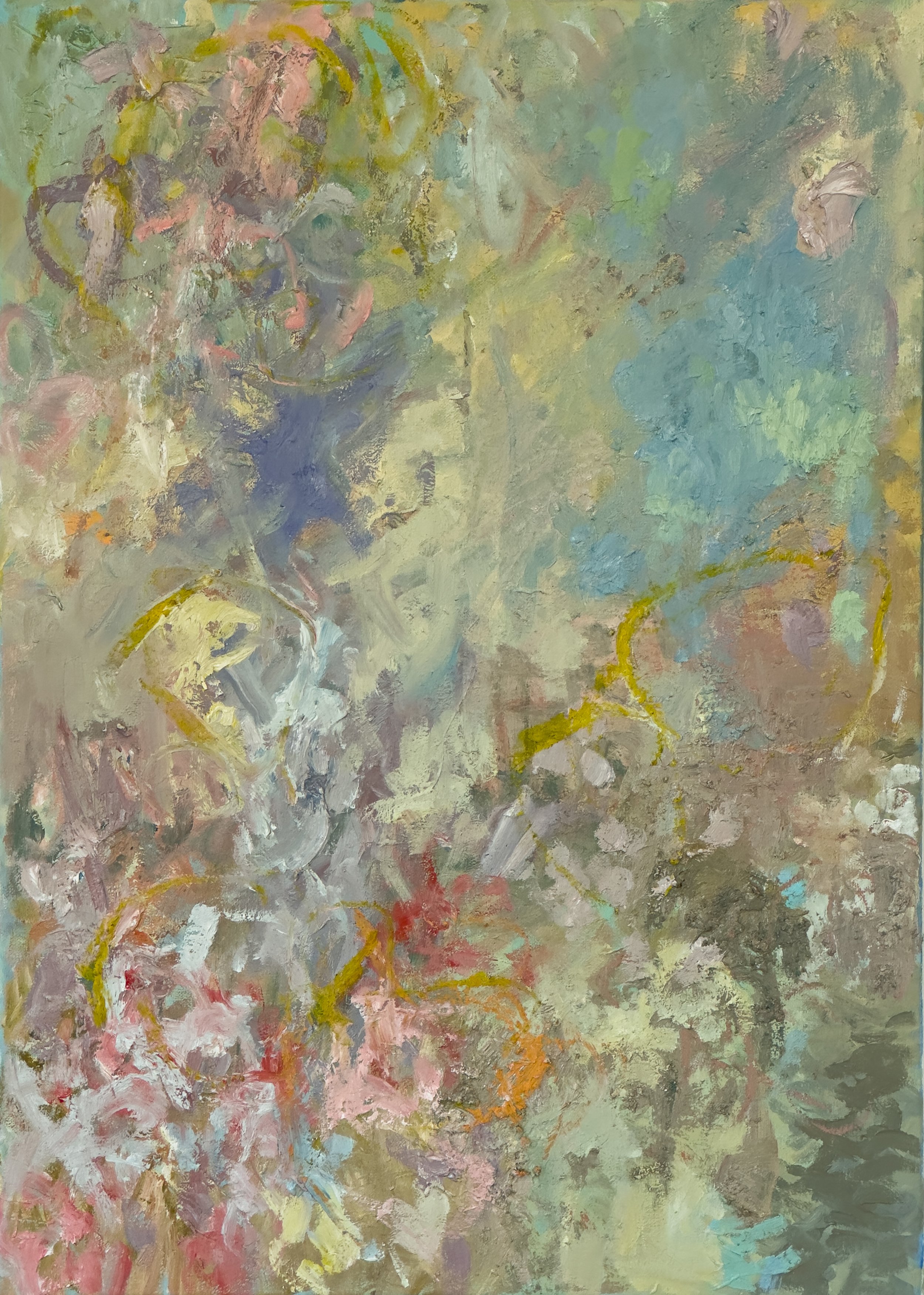
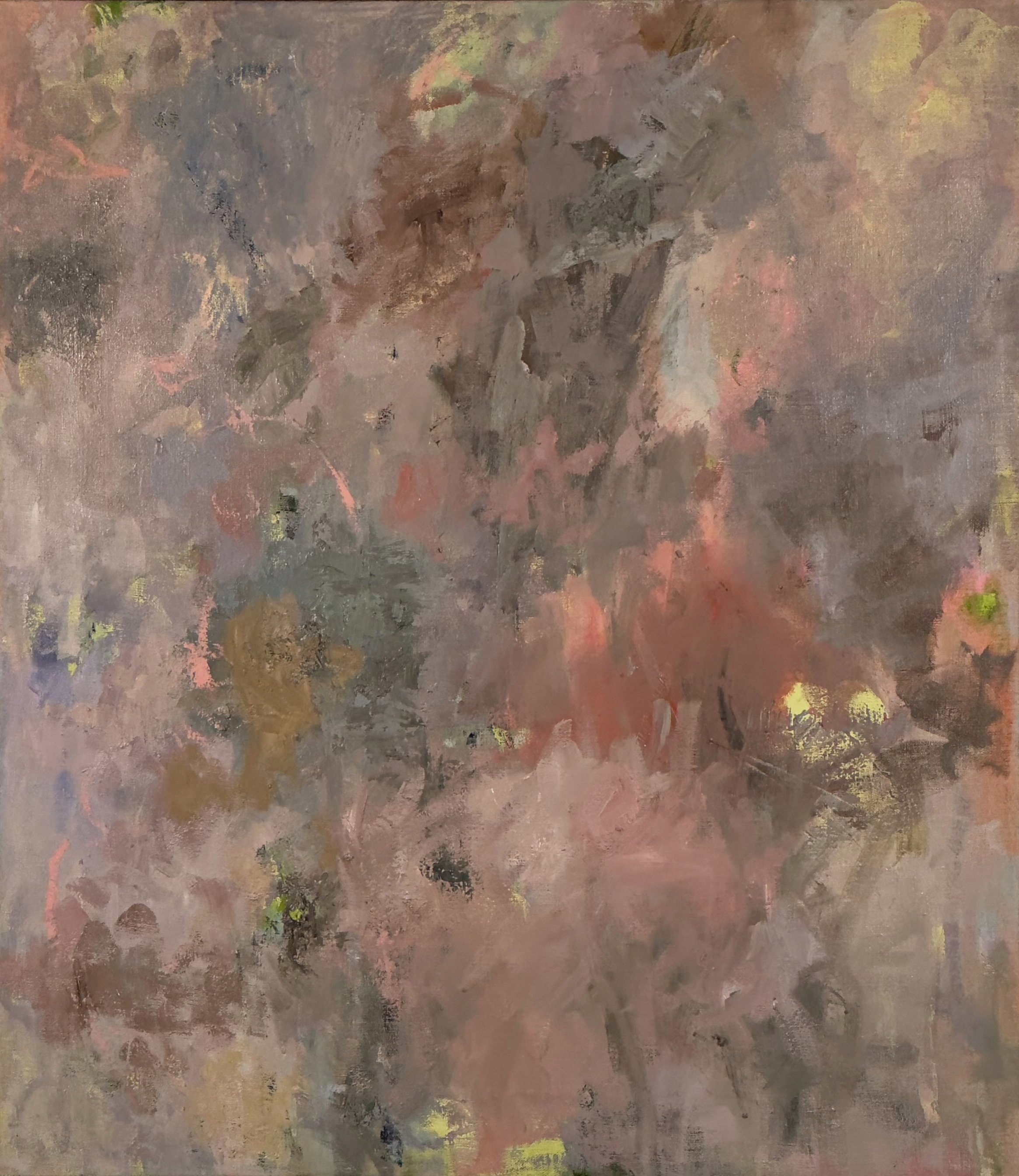
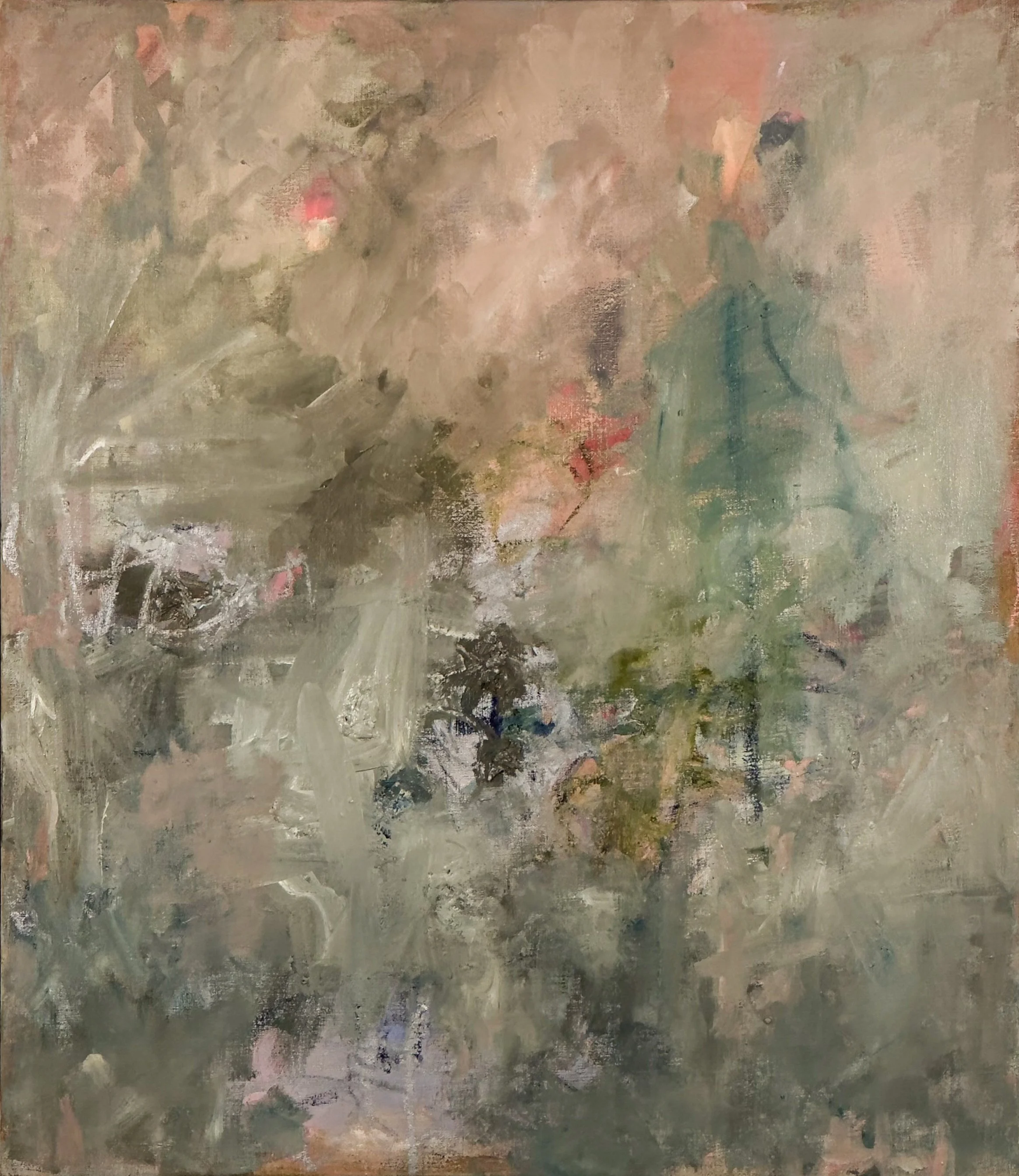
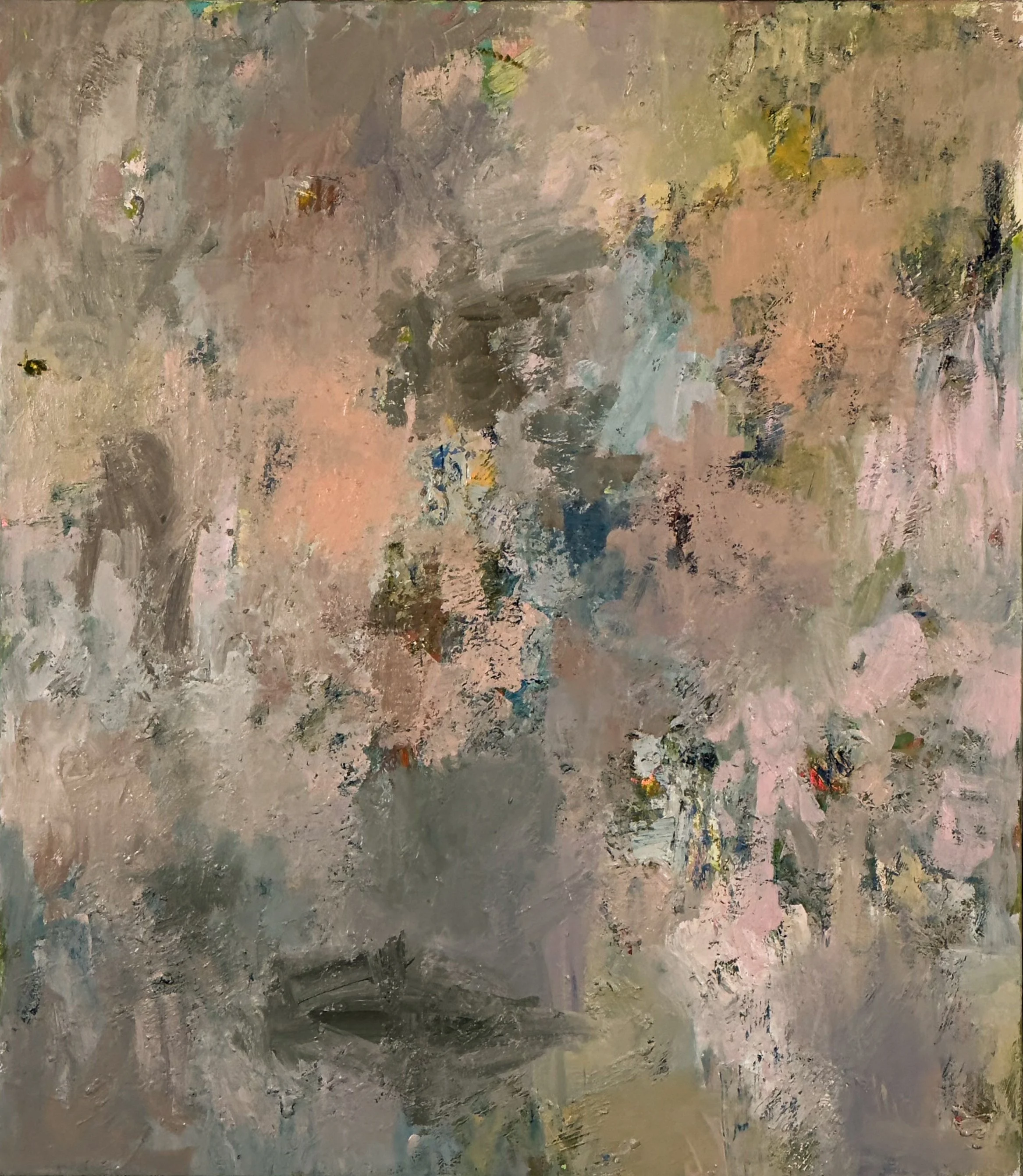
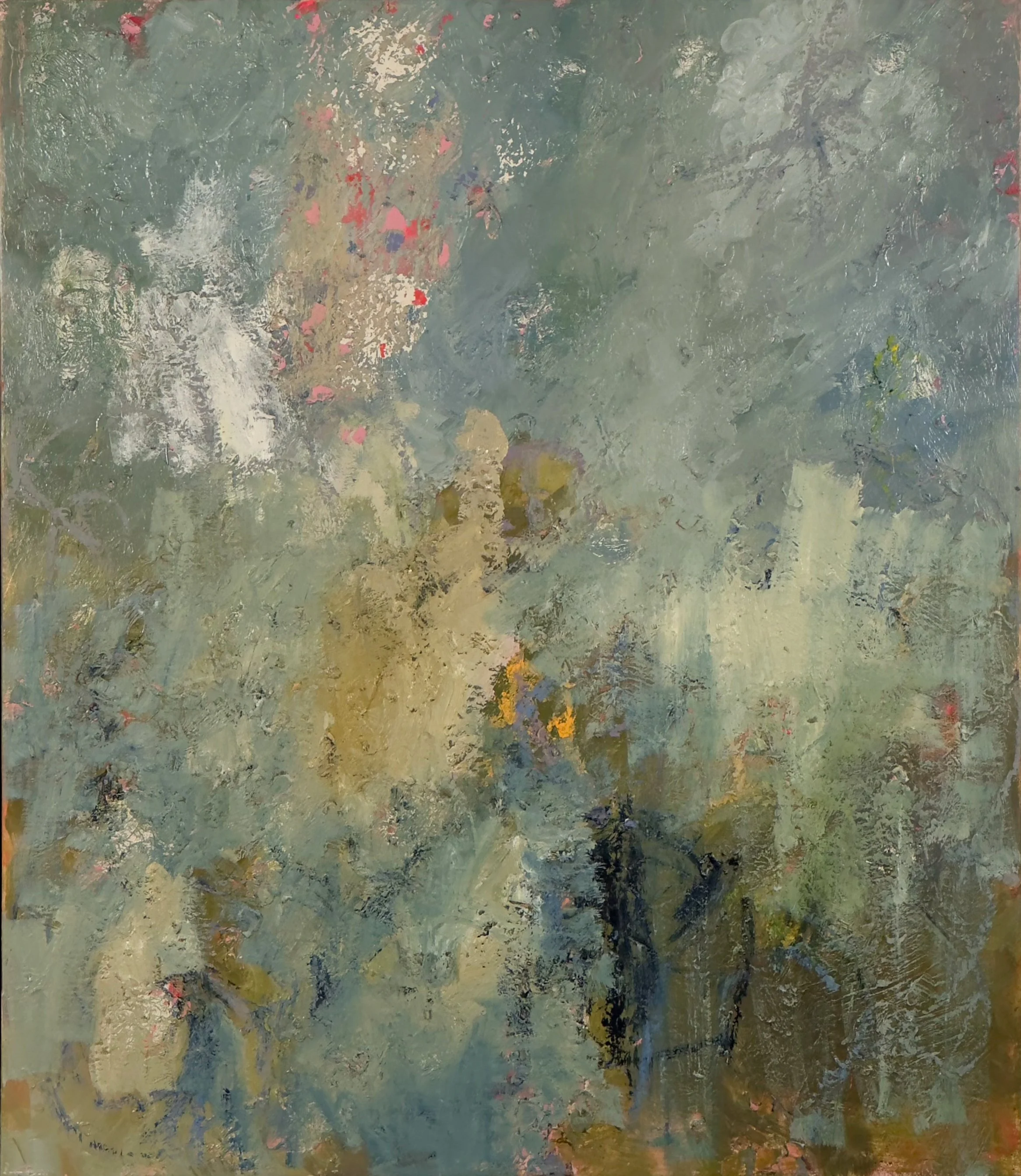
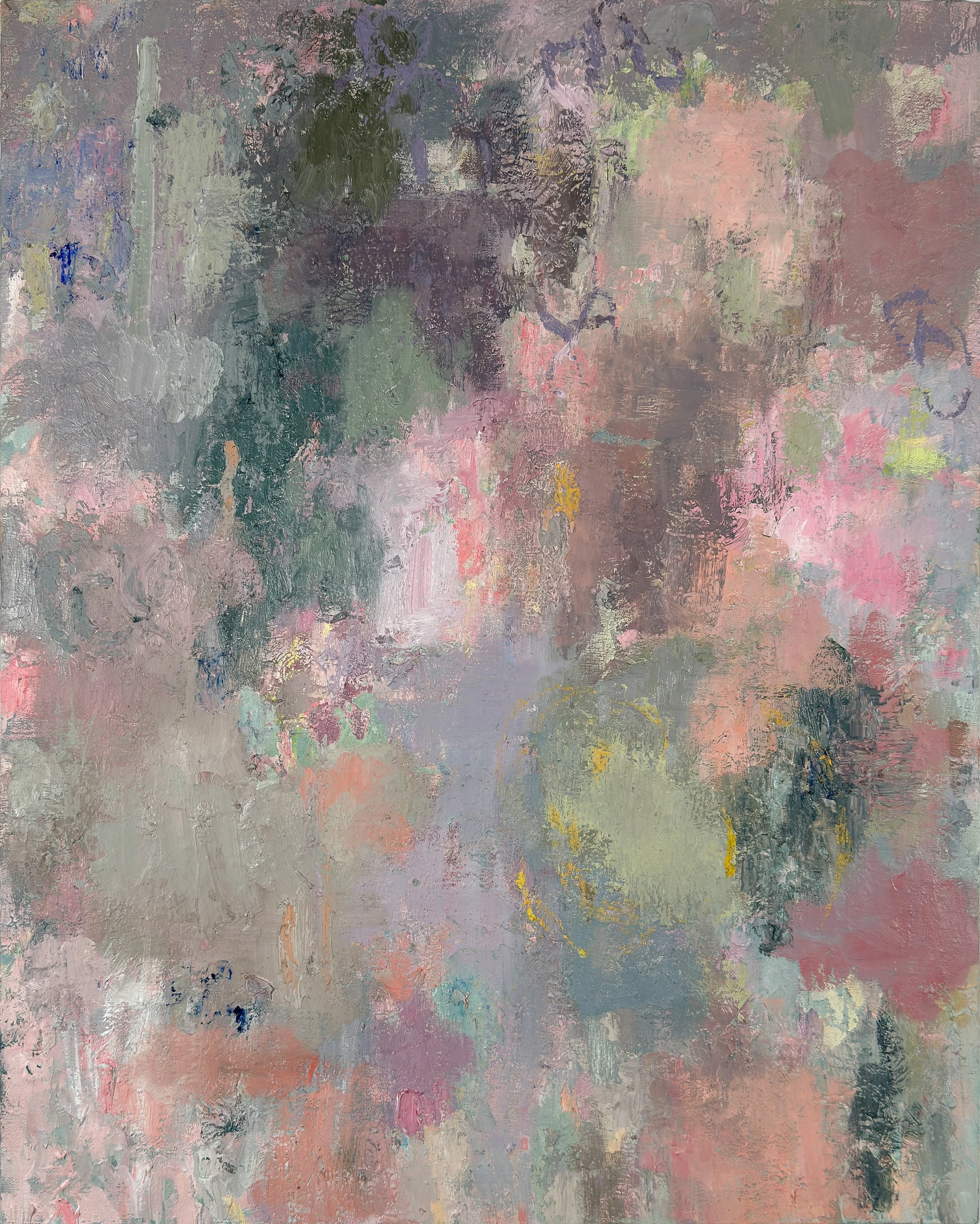
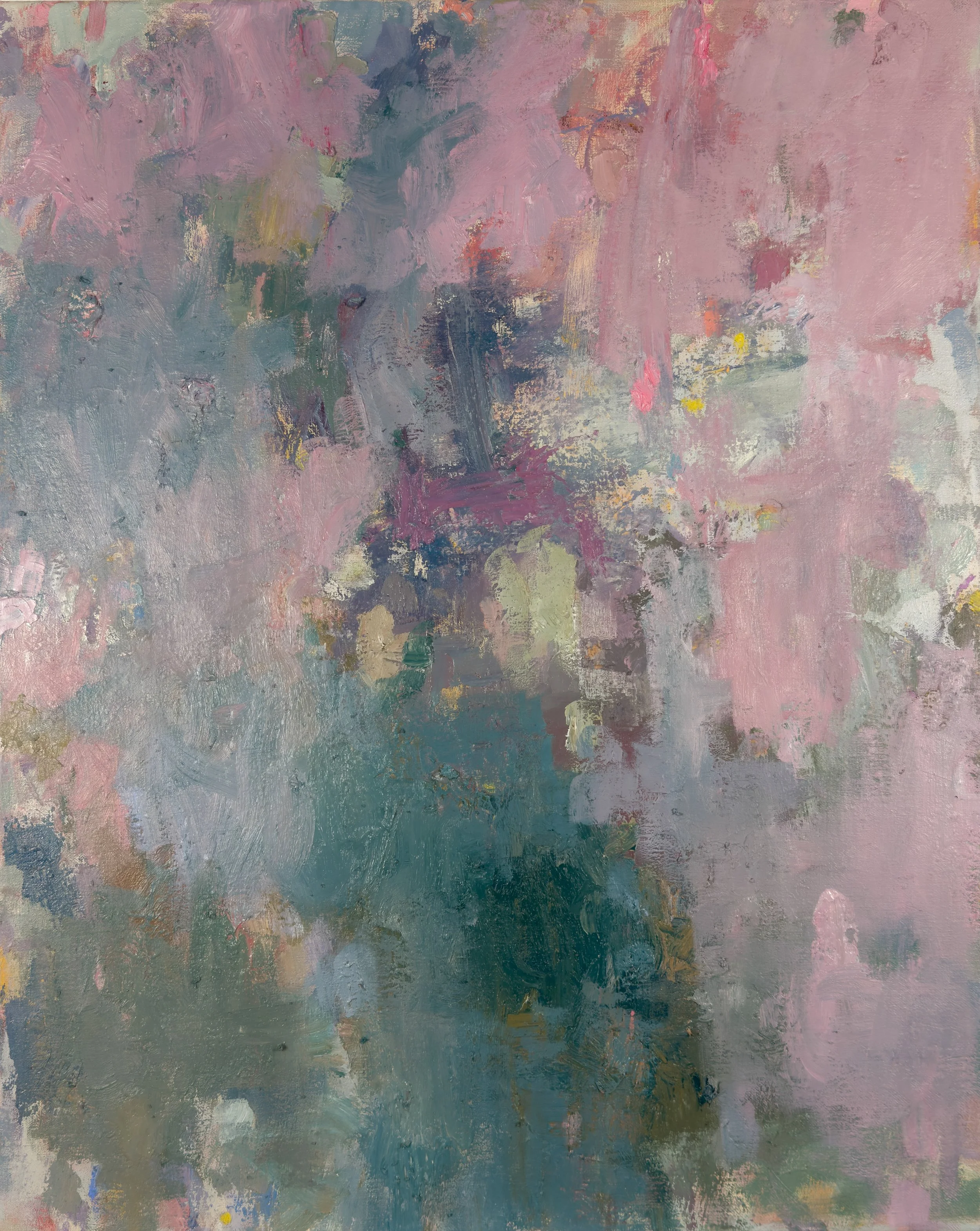
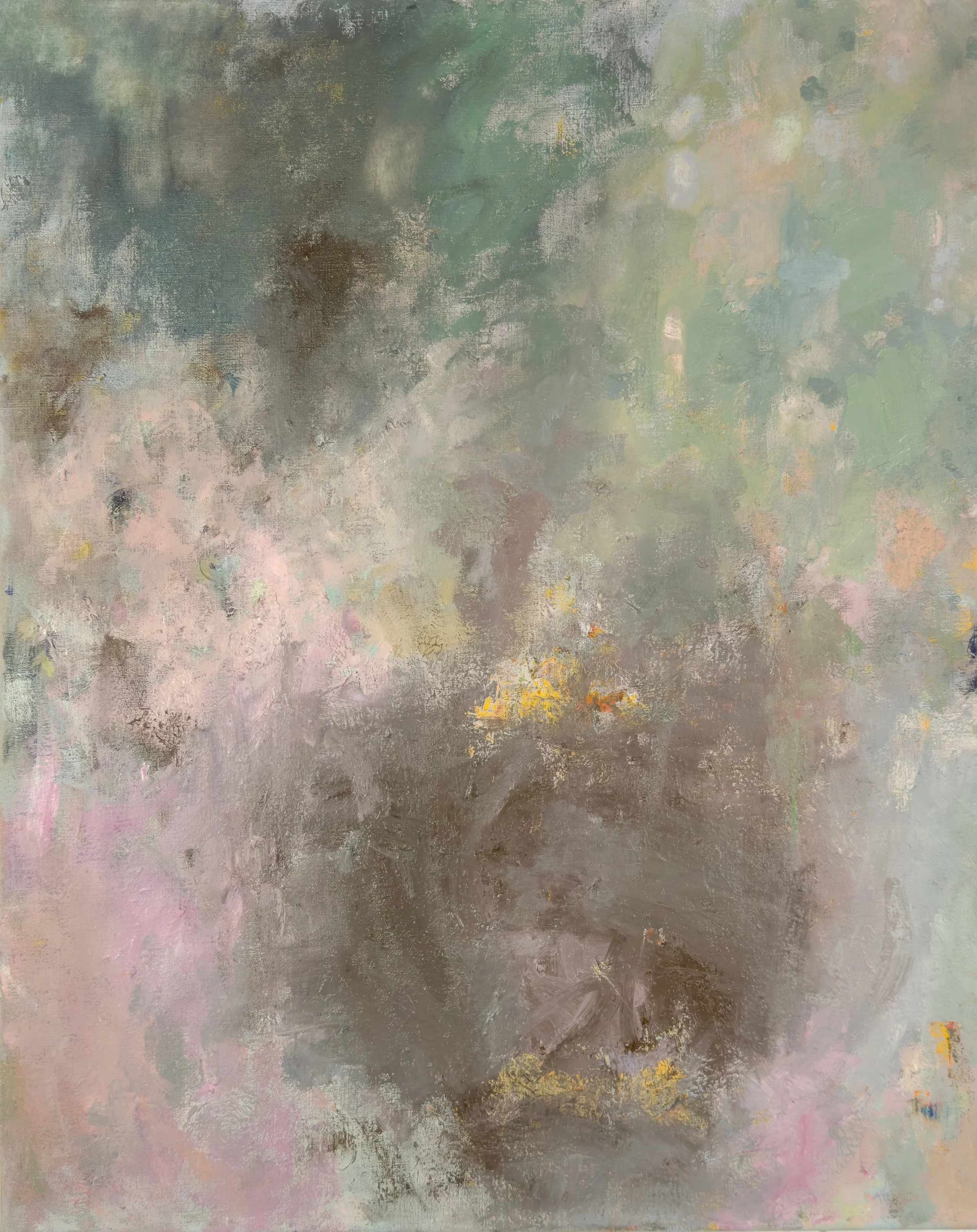
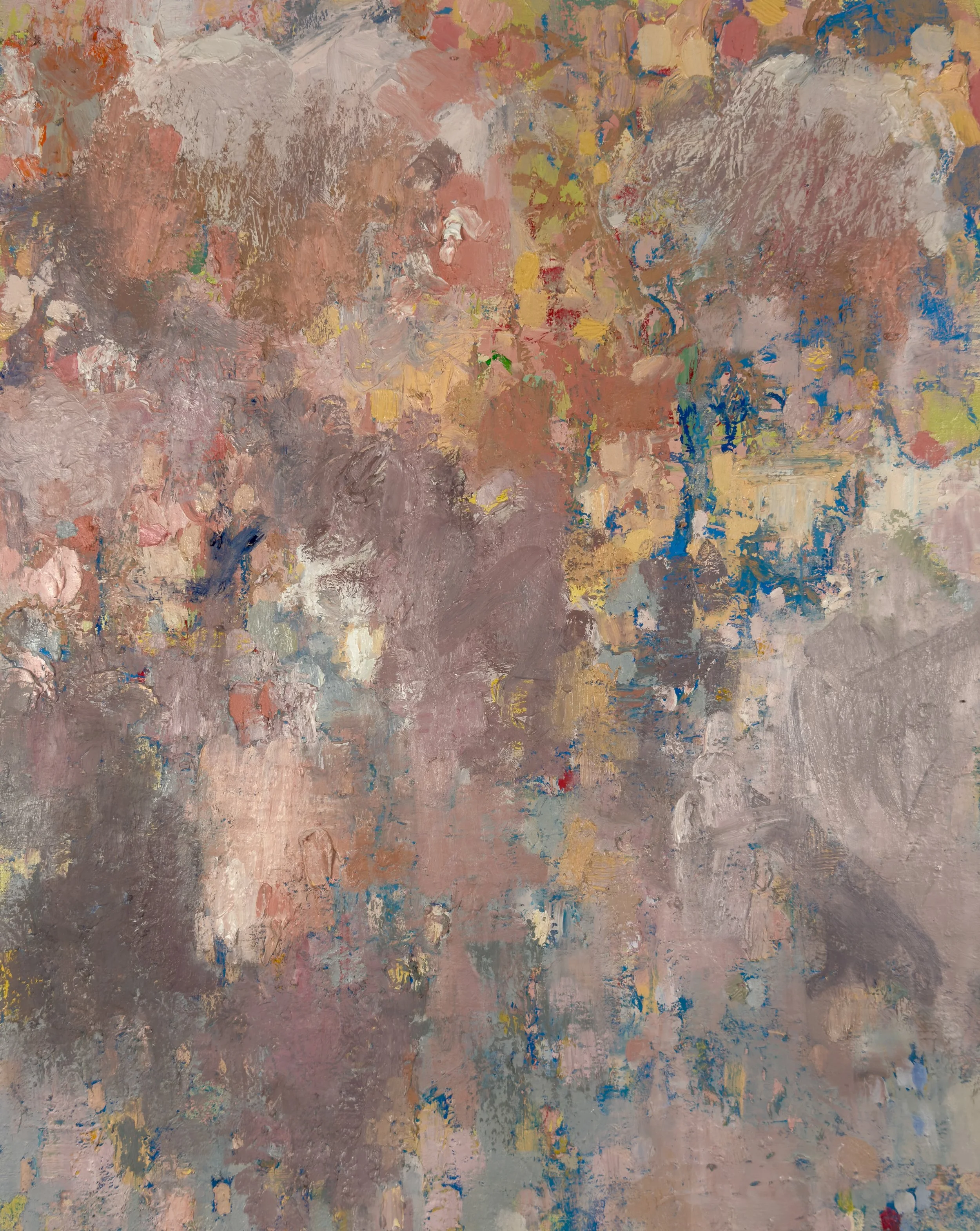
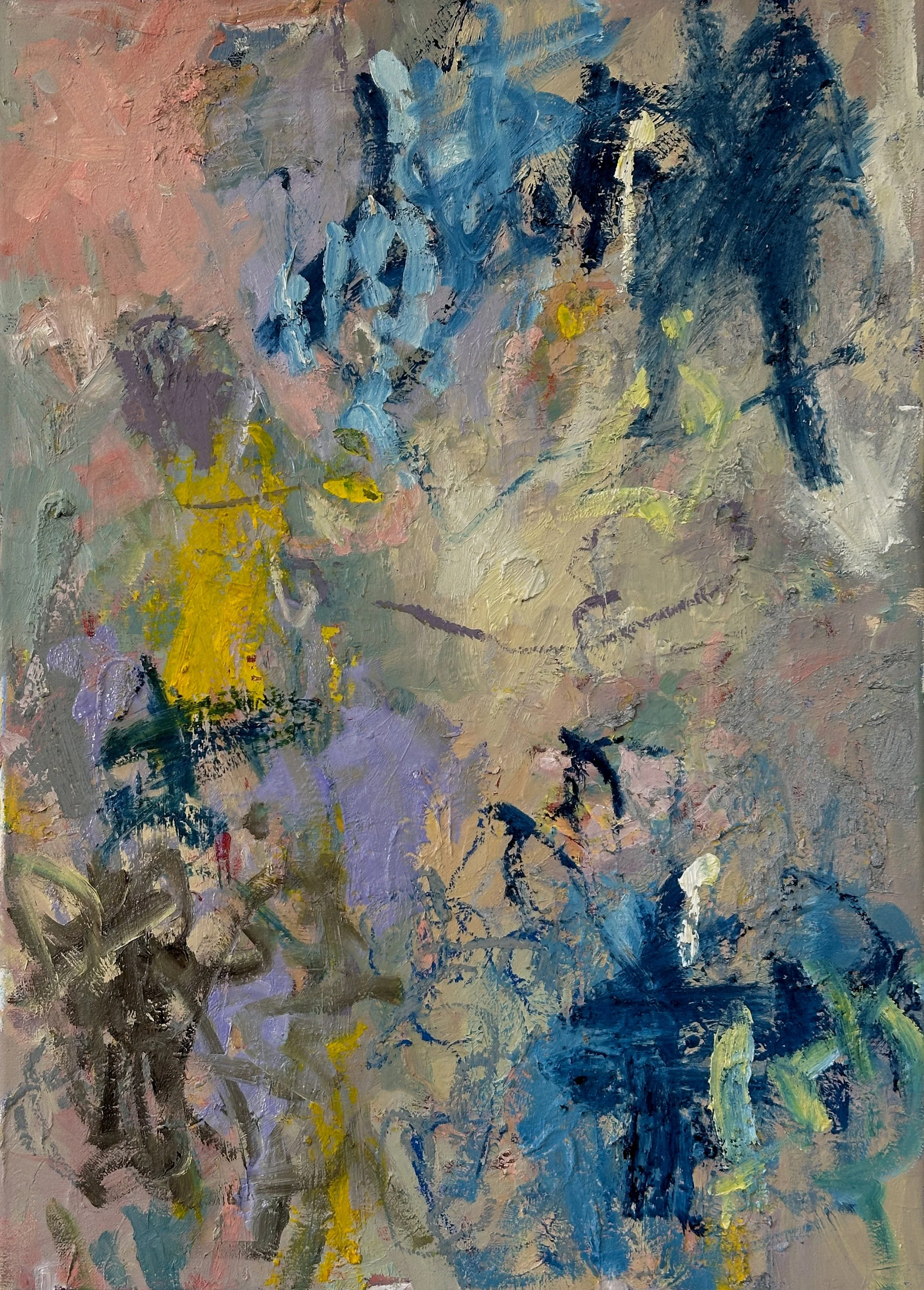
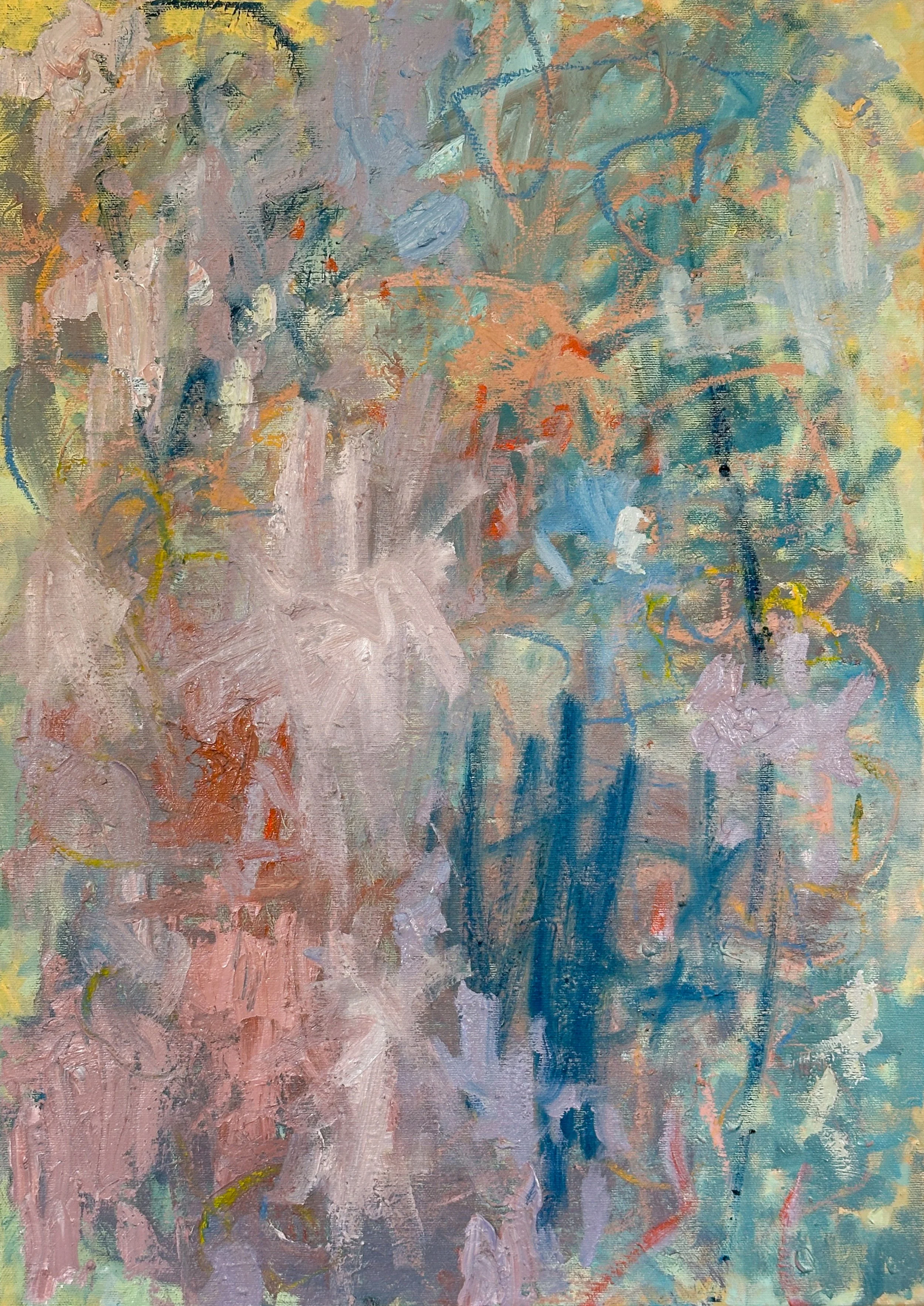
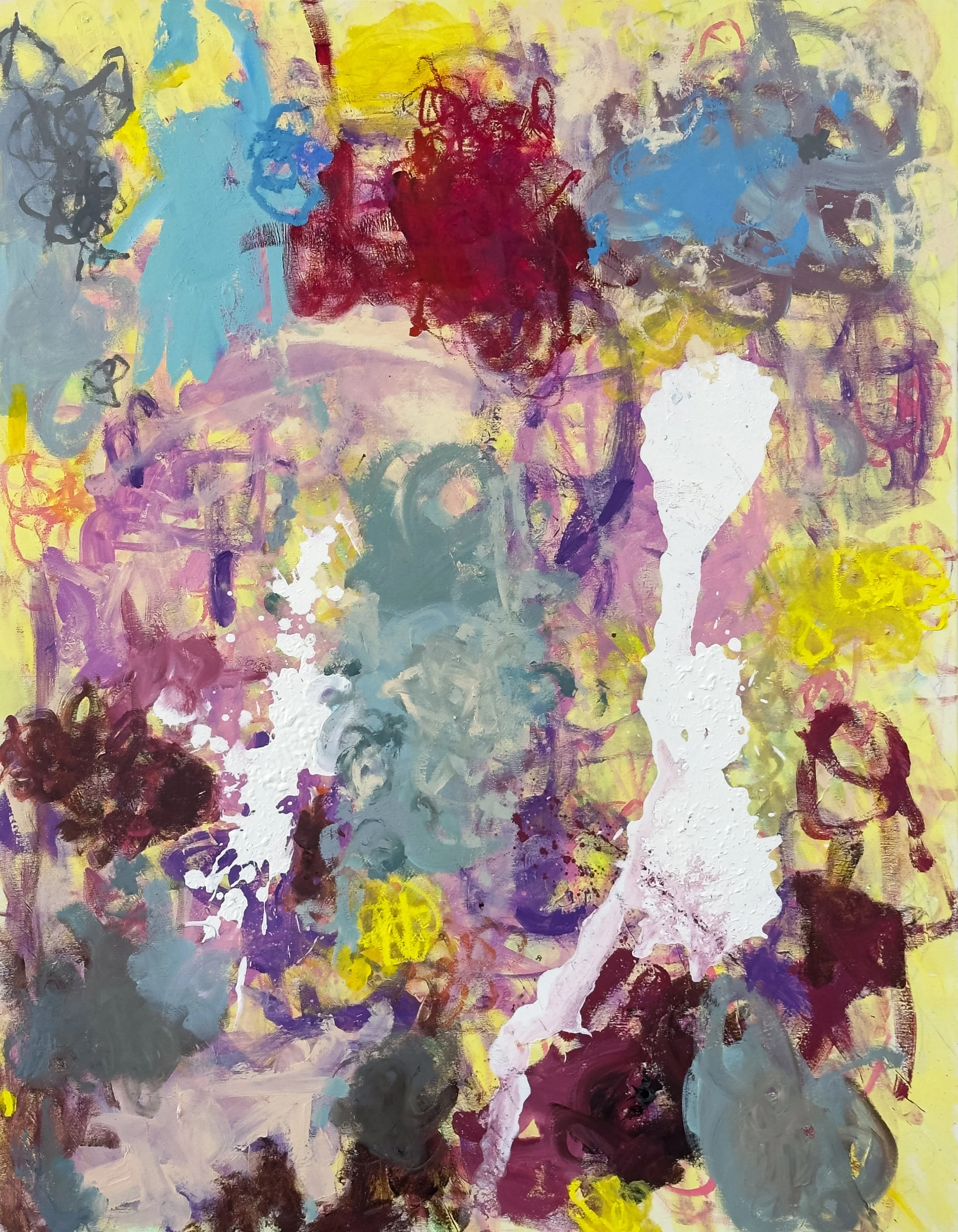
Quien se detiene ante mis pinturas puede reconocer indicios de profundidad, de paisaje, de cuerpo o de ruina, sin llegar a saber del todo qué está viendo. Algo empieza a tomar forma, pero no termina de fijarse. Las formas emergen de la superficie y vuelven a diluirse en ella.
Para mí, la pintura es también un acontecimiento físico. Cada obra se construye con sucesivas capas de color, depósitos, borrados, correcciones y desplazamientos. Lo que añado conserva rastros de lo anterior, a veces apenas visibles, y abre posibilidades que antes no estaban ahí.
El tiempo queda inscrito en ese proceso: en lo que se acumula, en la insistencia, en lo que corrijo o dejo enterrado. Me interesa aquello que permanece cuando una presencia se retira: el resto, el depósito del mundo, el vestigio.
La forma se va disolviendo a medida que la materia se acumula y se transforma. Nunca llega a constituirse del todo, aunque tampoco desaparece. Se mantiene en ese estado incierto en el que algo podría aparecer o dejar de ser reconocible. En muchas pinturas abstractas, la forma desaparece por simplificación. En las mías, lo hace por exceso: demasiada pintura, demasiadas capas, demasiadas huellas. La imagen acaba absorbida por la propia materia.
Trabajo la superficie como un lugar donde ensayar un modo de estar en el mundo. En ella conviven las capas, se acumulan los gestos y la materia se transforma una y otra vez, sin que ninguna forma llegue a imponerse.
La mirada tampoco encuentra un punto donde quedarse. Vaga, retrocede, se acerca. Hay algo en estas pinturas que se resiste a una lectura y pide tiempo, una cierta disposición a permanecer ante ellas. La experiencia se vuelve táctil antes que narrativa: algo parecido a mirar con los dedos.
Pintar así es sostener una relación con la superficie, incluso cuando no sé qué va a surgir de ella.
Un modo de estar.
SEDIMENT
[ENG]
Anyone who spends time with my paintings may recognise hints of depth, landscape, body or ruin, without quite knowing what they are seeing. Something begins to take shape but never fully settles. Forms emerge from the surface, then dissolve back into it.
For me, painting is also a physical event. Each work is built through successive layers of colour, deposits, erasures, corrections and shifts. What I add retains traces of what came before, sometimes barely visible, and opens up possibilities that were not there before.
Time becomes inscribed in this process: in what accumulates, in the repeated gestures, in what I revise or leave buried. I am interested in what remains after a presence has withdrawn: the residue, what the world leaves behind, the vestige.
Form gradually dissolves as matter accumulates and changes. It never fully takes shape, yet neither does it disappear. It remains in that uncertain state where something might emerge or cease to be recognisable. In many abstract paintings, form disappears through simplification. In mine, it disappears through excess: too much paint, too many layers, too many traces. The image is eventually absorbed into the material itself.
I work with the surface as a place to explore a way of being in the world. Layers coexist, gestures accumulate, and matter is transformed again and again, without any one form coming to dominate.
The eye, too, finds nowhere to settle. It wanders, draws back, moves closer. Something in these paintings resists interpretation and asks for time, for a willingness to linger. The experience becomes tactile before it becomes narrative: something like seeing with your fingers.
Painting this way means sustaining a relationship with the surface, even when I do not know what will emerge from it.
A way of being.